Sewer Line Repair in Easton Addition, Burlingame
Early-1900s houses, big old trees and original pipe: that is the usual picture on these streets. Call for a local pro who starts with a camera and tells you the price before any work begins.
Sewer line repair in Easton Addition, Burlingame, usually starts with the same few clues: a main drain that keeps slowing down, a toilet that gurgles, or a backup that clears and comes back. In houses from the early 1900s, the lateral under the yard is often the original pipe, and the trees that make these streets pleasant are close enough to reach it. A local pro can sort out which problem you have, and it begins with a camera.
The homes in Easton Addition and the sewer line beneath them
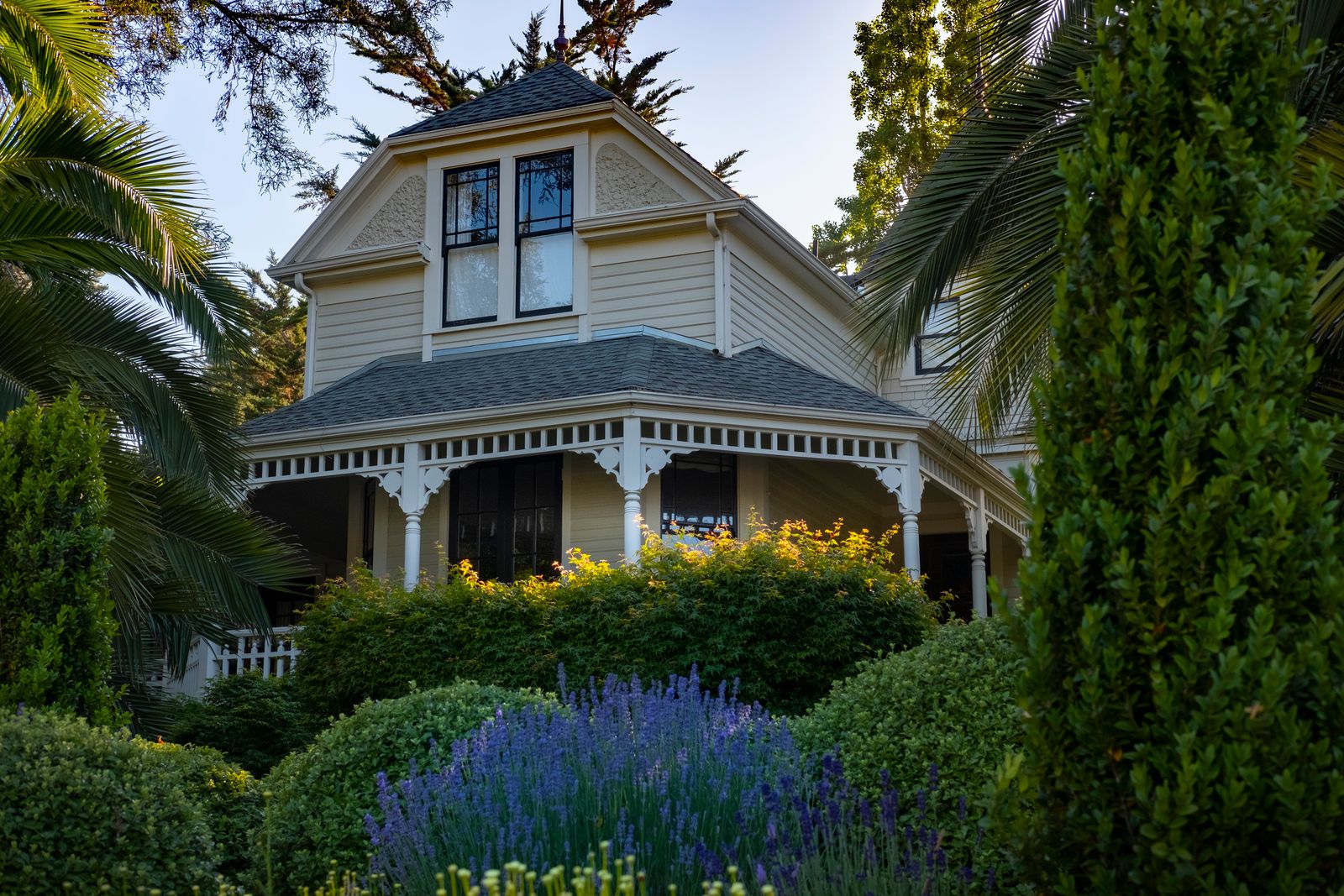
Easton Addition was part of the former town of Easton, subdivided from 1905 and annexed to Burlingame in 1910. The streets around the Broadway business district still carry that history: Victorian, Arts and Crafts and bungalow houses from the early 1900s, set on lots shaded by mature eucalyptus, oak and pine. The ZIP is 94010.
These houses were laid out before modern plumbing codes, and their sewer laterals tend to show it. A typical lateral leaves the house toward the street through the front or side yard, and in many cases it runs close to the trees planted along it. Original clay pipe is common in homes of this age, though additions and past repairs mean a single line can mix several materials. Some houses on the same block have been repiped and some have not, so the pipe in the next yard says little about yours.
Many of these homes have also had work done inside over the decades, such as new bathrooms and kitchens added onto the original layout. Each addition puts more load on a line that was sized for a smaller household. That is worth mentioning to the tech, because it shapes what the camera should look for.
What usually goes wrong with sewer lines in Easton Addition
In this part of town the common culprits are old joints and old trees. Clay pipe is laid in short sections, and every joint is a possible entry point. Eucalyptus and oak roots, searching for moisture, find those joints, slip in and thicken. The mass catches paper and grease, and the line slows. If that sounds familiar, the page on tree roots in sewer line trouble explains how roots are cleared and what to check afterward.
Other problems show up as the pipe ages:
- Cracks from soil movement or from heavy loads above the line
- Offset joints, where the step between sections catches debris
- Sags, where a section has settled and holds water
- Broken or collapsed sections, which can stop flow entirely
Not every house has all of these, and some have none. That is the reason for looking before deciding, not after.
What the technician checks first on an early-1900s house
A visit to an older house here follows a steady order. The tech asks which fixtures are affected, looks for a cleanout, and clears the line if it is blocked. Then comes the sewer camera inspection of the lateral, from the house toward the public main. If there is no cleanout, the tech finds another way in, such as a roof vent, and may suggest adding a cleanout while the line is open.
On the video, the tech looks for roots at the joints, cracks, shifted sections and sags, and notes where each sits and what lies above it. A surface trace follows, to mark the route and approximate depth. The tech watches the video with you and explains what each finding means, in plain terms.
If the picture shows the line is mostly sound, the repair may be small. If it shows failing pipe over a stretch, the options are a spot repair, lining or replacement of that section, and the tech gives the upfront price for each. On a lot with mature trees, ask whether trenchless is possible. The page on trenchless sewer repair explains when it fits and when it does not.
Sewer line replacement in Easton Addition: when repair is not enough
Sometimes the camera shows that patching will not hold. A line with roots at nearly every joint, cracks along its length or sections that have collapsed may be a candidate for sewer line replacement in Easton Addition, in whole or in part. That decision comes from the video, not from the age of the house, and a tech should be able to show you why.
When replacement does come up, the questions worth asking are practical ones. Which parts of the yard will be opened? How will the trees be protected? Where will the new line connect, and will it get a cleanout? Is the work something trenchless methods can do? Hearing the answers before you agree keeps surprises to a minimum.
Get an Easton Addition tech outWhat a call looks like, start to finish
You call, and a person answers at any hour. You describe what you are seeing and which fixtures are affected, and the tech asks a few questions. A local pro is sent, same day where available. On arrival, the tech clears the line if needed, runs the camera, shows you the video and explains the options with the upfront price for each. Nothing begins until you agree.
Sewer camera inspection in Easton Addition and nearby streets
You do not need a backup to book a camera look. In Easton Addition it makes sense when a drain has slowed more than once, when large trees near the line have been removed or planted, or when you are weighing a sewer scope before buying a house or planning to sell. Lateral testing at time of sale is a normal part of buying and selling in Burlingame, so check current city requirements if you are listing or purchasing.
Neighboring parts of town have a different feel. The tight 1905 grid around Burlingame Avenue and the train line is covered under sewer line repair in Burlingame Terrace, and east of the tracks you will find sewer line repair in Lyon Hoag, where the homes are more modest. For the whole city, the home page covers sewer line repair Burlingame homeowners ask about.
Homeowners comparing sewer line replacement Easton Addition quotes should know that a sewer camera inspection Easton Addition crews run first often shows a shorter, cheaper fix than full replacement.
Easton Addition sewer questions
Houses from the early 1900s often do, but past repairs and additions may have swapped parts of the line for other materials. The video from a camera inspection shows the material along the whole run, so you do not have to guess.
Any large tree near the route can be involved, and eucalyptus, oak and pine are common on these streets. The camera shows where roots enter the pipe, and a surface trace shows which trees are close to that spot.
Often the answer is yes, because repair or lining works on the pipe, not the tree. Whether a section needs to be dug out near a trunk depends on what the camera shows. Ask the tech how the tree's roots will be protected.
In most places the homeowner is responsible for the lateral from the house to the public main, sometimes to the property line, but the split varies. Check with your city or sewer provider for where your responsibility ends.
It can. An addition puts more fixtures on a line that was laid for the original house, and the connection point is a place the camera should look at. Tell the tech when the work was done and where it joins the line.
Many do not, or have one that is buried. Adding one is a common suggestion on a first visit, since it makes every later cable run and camera look simpler.
Not necessarily. How much is opened depends on the method and on what the camera finds. Ask the tech to mark the planned openings on the ground first so you can see what is affected.
Stop running water and flushing, keep people and pets away from the sewage, and call. A tech clears the line first and then finds the cause with a camera. The page on sewer backup help covers the first steps.
Need sewer line repair in Easton Addition, Burlingame?
Tell the person who answers what you are seeing and where. A local pro is sent, camera first.