
Trenchless Sewer Repair (Lining & Pipe Bursting) in Burlingame, CA
When a sewer lateral is cracked or root-damaged, digging up the whole yard is not always the only answer. Trenchless sewer repair in Burlingame works through a cleanout or a few small pits, and a local pro can tell you by phone whether your line is likely a candidate.
Trenchless sewer repair in Burlingame means fixing or replacing a sewer lateral without opening a trench along its whole length. The two common methods are lining, where a resin-soaked liner is cured inside the old pipe, and pipe bursting, where a new pipe is pulled along the path of the old one. Both start from a few access points, usually the cleanout and a small pit near the house or the street.
On a lot with a mature tree, a paved driveway or a finished garden, that can matter a great deal. It is not right for every line, though, and an honest answer starts with a camera look at the pipe. If you would rather talk it through first, one call reaches a local pro who works on Burlingame homes.
What trenchless sewer repair in Burlingame actually means
The sewer lateral is the pipe from your house to the public main. In most places the homeowner is responsible for it, though the exact split varies, so check with your city or sewer provider. Traditional repair opens a trench along the whole pipe. Trenchless methods, sometimes called no dig repair, work from the inside or along the old path, so only the access points are opened.
The word covers more than one technique, and the right one depends on the pipe. Trenchless is a tool, not a promise. Some lines are good candidates, others need digging in part or in full, and the only way to tell is to see inside.
Sewer pipe lining or pipe bursting: how they differ
Both methods avoid a continuous trench, but they solve different problems. Lining restores a pipe that is still in place. Bursting replaces one that has failed more broadly. Open trench stays on the table for lines that neither method suits.
| Method | How it works | Often considered when | Trade-off |
|---|---|---|---|
| Lining | A resin-soaked liner is cured inside the existing pipe, forming a new pipe within the old one. | Cracks, open joints or root entry in a line that is otherwise in place. | Follows the shape of the old pipe, so it does not remove a sag. |
| Pipe bursting | A new pipe is pulled along the old path, breaking the old pipe outward as it goes. | Older pipe that has failed in several places and needs full replacement. | Needs pits at both ends, and nearby soil and buried lines matter. |
| Open trench | The line is dug up, the bad pipe removed and new pipe laid. | Collapsed sections, serious sags or lines that need their slope corrected. | The most disturbance to the yard, driveway and trees. |
Homeowners often ask about pipe bursting sewer line work. It is the second trenchless method, used when the old pipe is too broken or collapsed to line, and the camera video is what shows which method fits.
When trenchless is a good fit, and when it is not
Trenchless is usually considered when the pipe is mostly continuous and the damage is cracks, open joints or roots at the joints. A line that holds its shape and has a clear path from one access point to the next gives a liner or a new pipe something to follow.
It gets harder when the line has changed shape. A section that has collapsed, a sag that holds water, a joint pushed far out of line or several tight bends can stop a liner from seating or a bursting head from passing through. In those cases digging out the bad section may be the better answer, even if the rest of the line is treated without a trench.
None of this is visible from the surface. That is why a responsible tech will not recommend trenchless, or digging, before a camera has run the length of the lateral. If roots caused the damage, the page on tree roots in sewer line problems explains what happens to them first.
Access points: cleanouts and small pits
Trenchless work still needs a way in. The usual starting point is the cleanout, the capped pipe that gives direct access to the lateral. Where there is none, the tech may open a small pit near the house or at the street end of the line. A bursting job typically needs pits at both ends, one to pull the new pipe in and one to receive the old.
These pits are far smaller than a full trench, and their location is set by where the line runs and how deep it is. The tech marks the proposed spots before you agree to anything, so you can see exactly which part of the yard is affected. On an older home with no cleanout, adding one is often part of the plan.
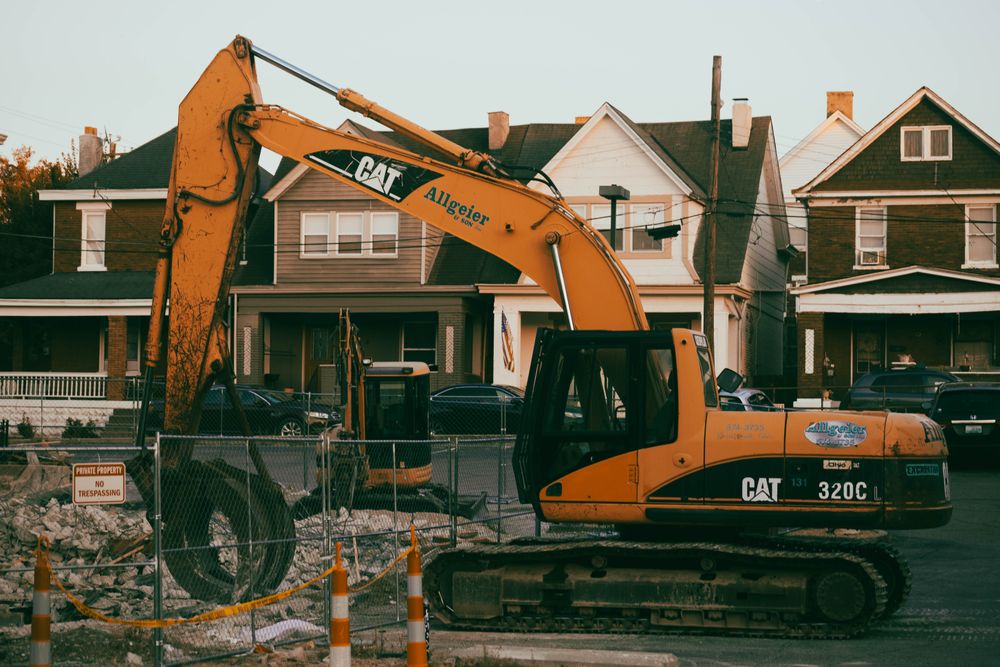
No dig sewer repair around driveways and mature trees
Most Burlingame lots have something worth protecting above the pipe: a paved driveway, a patio, a hedge, a tree older than the house. A long trench through any of these means demolition and restoration, and cutting through a large tree's root zone can harm the tree.
Working from a few small access points limits that disturbance but does not remove it. Pits still need digging, the lawn near them is affected and some jobs need equipment on site. The honest comparison is between a few small openings and one long one, not between work and no work.
Hardscape matters most when the pipe runs under it. If the damaged section sits beneath a driveway or slab, a method that avoids breaking it up is worth asking about. Ask the tech to show on the video where the problem lies relative to what is above it.
Trenchless sewer repair across Burlingame's older neighborhoods
Most Burlingame housing dates from the 1900s to the 1920s, so many laterals are old clay pipe, and heavy clay soil and a large stock of mature street trees put pressure on the joints. That is often the picture for trenchless sewer repair in Burlingame: pipe stressed at its joints rather than pipe gone completely.
In North Burlingame, the streets of the former town of Easton carry early-1900s homes under big eucalyptus, oak and pine, so a call for sewer line repair in Easton Addition often involves roots at the joints on a lot where the trees are staying. Around Burlingame Avenue and the train line, a tight grid of small to mid-size lots leaves little room for equipment, which is one reason techs weigh trenchless options for sewer line repair in Burlingame Terrace. Toward Hwy 101 the ground is low bay-margin land with soft mud and fill, where a line can sag, and a sag is something lining does not fix.
These are tendencies, not rules. Two houses on the same street can have different pipe, so the camera decides.
What the camera has to show before anyone recommends lining
Before a liner or a new pipe is on the table, the tech needs to see the whole lateral, from the house to where it meets the public main. A sewer camera inspection shows roots, cracks, offsets, sags, collapsed sections, bends and where other pipes connect. The tech also traces the route and depth, so the access points can be planned.
You watch the video with the tech. It is the basis for any recommendation, including a recommendation to dig. If sewage is already coming up a drain, the line has to be cleared first, and the sewer backup page covers what to do right now.
Trenchless sewer repair questions from Burlingame homeowners
No. Trenchless methods need a lateral that is mostly intact and continuous, so a collapsed section, a severe sag or a run of tight bends can mean digging, at least in part. The camera shows which situation you have, and a tech should tell you plainly when trenchless is not the right fit.
It can go either way. The price depends on the length and depth of the line, its condition, the access points needed and what sits above it, such as a driveway or a mature tree. The tech explains the upfront price for each option before work begins, so you can compare them.
They are small pits compared with a full trench, but the size varies with the depth of the pipe and the method. The tech marks the proposed locations before you agree, so you can see which part of the yard is affected. A line with a working cleanout may need fewer openings.
A liner covers the joints and cracks roots usually enter through, so it is often considered when roots caused the damage. No repair can promise roots will never return, and roots can still press on a pipe from outside. The roots are cleared first, as the page on tree roots in sewer line trouble explains.
Not on its own. A liner follows the shape of the pipe it goes into, so a low spot that holds water stays a low spot. If the camera shows a sag, that section may need to be replaced instead.
It depends on the length of the line, the depth, the method and what the camera finds, so a reliable estimate comes after the inspection, not before. Ask the tech for the expected timing when you hear your options. Dispatch can be same day where available, but the repair schedule is set job by job.
That depends on the method and how the work goes. Some methods keep the line out of service while a liner cures or a new pipe is pulled in. Ask the tech when fixtures can be used again before you agree to the work.
Requirements vary by property and by the type of work, so check current city requirements. The tech can tell you what is typical for a job like yours and whether paperwork is part of the plan. Do not assume either way.
Ready to ask about trenchless sewer repair in Burlingame?
One call, a few questions, and a local pro who knows the lots here. Our home page covers the wider picture of sewer line repair Burlingame homeowners ask about.