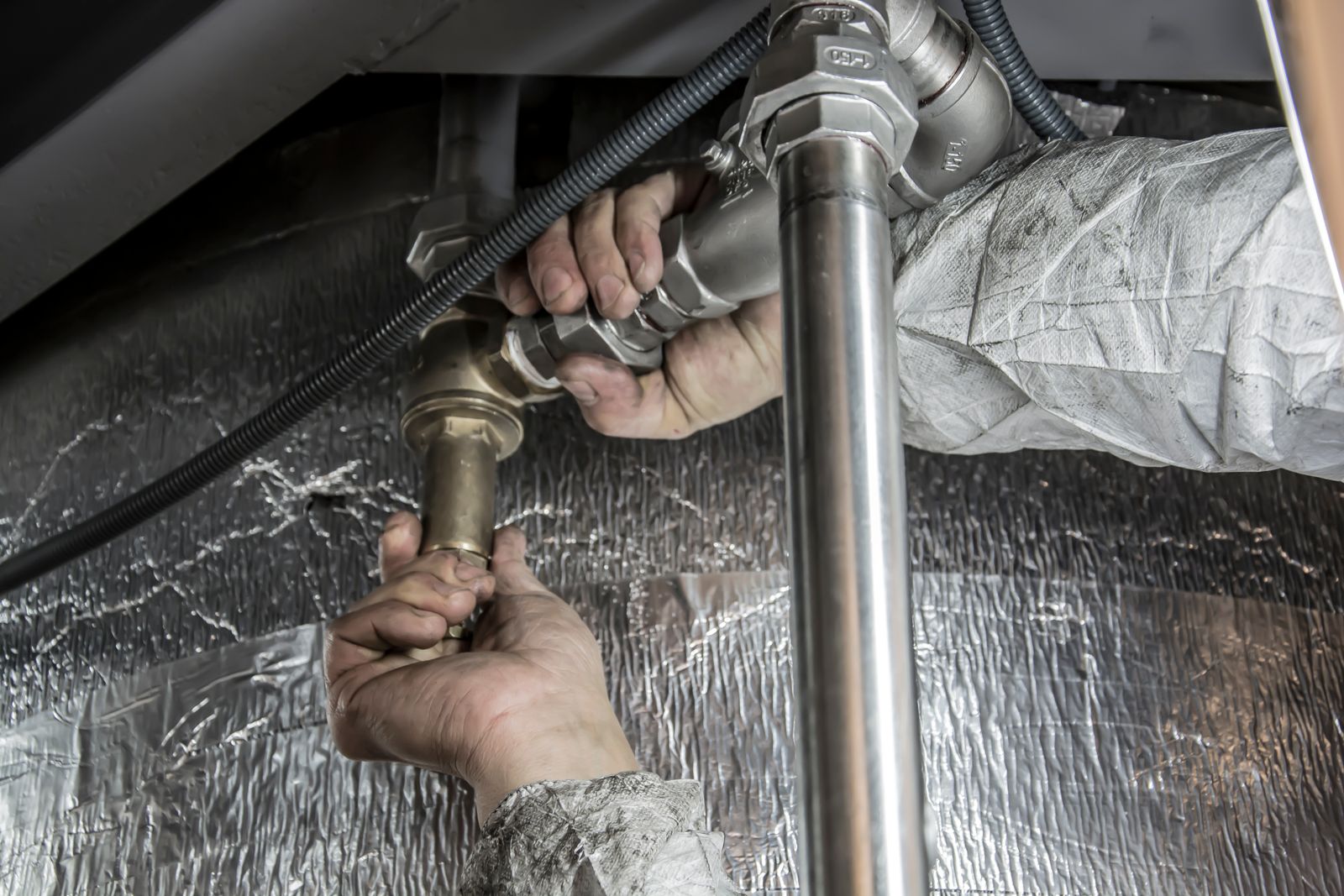
Sewer Camera Inspection in Burlingame, CA
Slow drains, a gurgling toilet or a plan to buy an older house all lead to one question: what is going on inside the pipe? A sewer camera inspection in Burlingame answers it on video, before anyone quotes a repair, with a local pro who knows how homes here were built.
A sewer camera inspection in Burlingame is a recorded look inside the lateral, the pipe that carries waste from your house to the public main. A small waterproof camera on a flexible cable is fed into the line, and a monitor shows cracks, roots, offset joints and sags as it goes. The tech marks anything notable and can usually save a copy of the sewer line video inspection for you.
Honest sewer advice starts here, because two lines with the same symptom can have very different causes. Call and describe what you are seeing, and a local pro can tell you whether a camera inspection of the sewer lateral makes sense right now.
Why every honest sewer answer starts with a camera
Sewer lines hide. Two houses can share a symptom, a slow main drain, while one has roots at a joint and the other has a sag below the lawn. From above ground nobody can tell them apart, and a quote made without seeing the pipe is a guess that either costs too much or fixes the wrong thing.
A camera removes the guess. It shows the condition of the lateral in order, from the entry point toward the public main, and it gives you and the tech the same picture to talk about. That is why no sewer pro should quote or promise a fix before the pipe has been seen.
What the sewer camera shows: roots, cracks, offsets and sags
As the camera advances, the tech watches for a short list of conditions. Each one points toward a different kind of fix.
| What you see | What it means | Where it tends to lead |
|---|---|---|
| Roots at joints | Roots have found an opening and are growing in. | Clearing, then a look at the pipe around them. |
| Cracks | The pipe wall is damaged by age or soil movement. | Spot repair or lining, depending on how much is affected. |
| Offset joint | Neighboring sections no longer line up. | Debris catches at the step, so repair at that spot. |
| Belly or sag | A low spot holds water and solids. | Often means replacing that section. |
| Broken or collapsed section | The pipe is no longer continuous. | Digging, at least in part. |
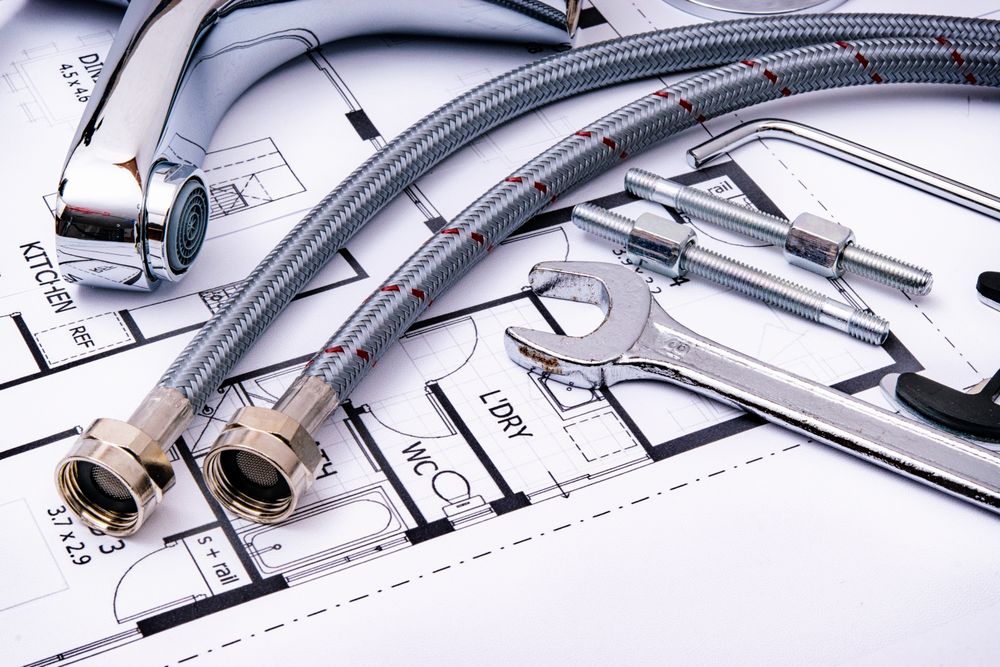
A camera inspection of sewer lateral pipe records the whole run on video, from the house toward the public main, so you can see every crack, root and sag yourself instead of taking a guess on faith.
Where the camera goes in: cleanout, roof vent or toilet pull
The camera needs a way into the line. The simplest is a cleanout, a capped pipe at ground level that opens straight to the lateral. Many older homes do not have one, so a tech may feed the camera in through a roof vent or, in some cases, after temporarily removing a toilet.
The right entry depends on the house and its layout, and the tech explains the choice before starting. The goal is to get the camera as close as possible to the start of the lateral, so the video covers the full run.
Locating the line and its depth from the surface
Many inspection cameras carry a small transmitter in the head. A handheld receiver above ground picks up the signal, so the tech can trace the path of the lateral and read its approximate depth, then mark the route on the lawn or driveway with paint or flags.
That matters for any later work. It shows where a pit would go, what the line passes under and whether a trenchless method could avoid a tree or slab. It also turns "somewhere near the front corner" into a marked line you can see.
Reading the video together: what is urgent and what can wait
After the run, you watch the recording with the tech. Findings usually fall into three groups.
- Urgent: a broken or collapsed section, or a blockage that is stopping flow. If sewage is already coming up, the sewer backup page covers the first steps.
- Worth planning: roots at several joints, covered under tree roots in sewer line problems, or a stretch of cracked old pipe, where the next step is often a repair or clay sewer pipe replacement.
- Can wait: minor wear or a small offset that still flows freely, with a note to look again later.
The tech should say which group each finding falls into and give the upfront price for each option, not just the largest one.
Sewer camera inspection in Burlingame: when to book one without a backup
You do not need a backup to justify a look. Common reasons include:
- A main drain that has clogged more than once
- A house you are about to buy or sell
- Large trees removed or planted near the line
- An older home whose lateral has never been seen
- A gurgling toilet or sewage smell with no clear source
- A remodel that will add a bathroom or more fixtures
In Burlingame, lateral testing at the time of sale is a normal part of buying and selling, so many scopes are done for that reason. Check current city requirements if you are listing or buying.
Burlingame homes and what the camera tends to find
Housing age predicts what a camera will meet. Most Burlingame homes date from the 1900s to the 1920s, so older clay laterals with many joints are common, and heavy clay soil plus a large stock of mature street trees makes root entry and cracked joints the usual findings. Toward Hwy 101 the ground is low bay-margin land with soft mud and fill, where a line can settle into a sag.
East of the tracks near Howard Avenue and Victoria Park, Lyon Hoag has more modest homes, and a camera run for sewer line repair in Lyon Hoag often begins by checking low ground for sags and settled joints. Ray Park's homes date from around 1950, a later generation than the early streets to the north, so sewer line repair in Ray Park may turn up a different mix of pipe. These are tendencies only. The video of your own line is what counts.
Check availability in BurlingameSewer camera inspection questions from Burlingame homeowners
It depends on the length of the lateral, how easy the access is and what the camera finds along the way. Ask for an estimate when you book. It can run longer if the line has to be cleared first.
No, but one helps. Without a cleanout the tech may use another way in, such as a roof vent or a toilet that is temporarily removed, which can add time. A cleanout makes this visit and every later one simpler.
Ask when you book. Recordings can often be saved, and a copy is useful if you want a second opinion, are selling the house or need to compare repair quotes.
Yes. Roots show up as hair-like or ropy growth entering at joints and cracks, and the video shows how far they extend and whether the pipe around them looks sound. That decides whether clearing is enough or the pipe needs repair.
Cameras with a transmitter let the tech trace the path of the line and read its approximate depth from above ground. It is an estimate, not a survey, but it is enough to plan access points and mark the route on the surface.
Then the line is cleared first and the camera goes back in. A solid obstruction, such as a collapsed section, can stop the camera altogether, and that is itself a finding the tech will show you. Nothing is quoted for the part of the line that has not been seen.
No. Cleaning clears what is blocking the line, while an inspection looks at the pipe itself. They often happen in the same visit, with cleaning first when the line is blocked, but one does not replace the other.
There is no single schedule that suits every home. Reasons to look include buying an older house, clogs that keep returning and large trees near the line being removed or growing. The tech can suggest a sensible interval after seeing your line.
Want a sewer camera inspection in Burlingame?
Describe the problem and a local pro will be sent out. Our home page covers the wider picture of sewer line repair Burlingame homeowners ask about.