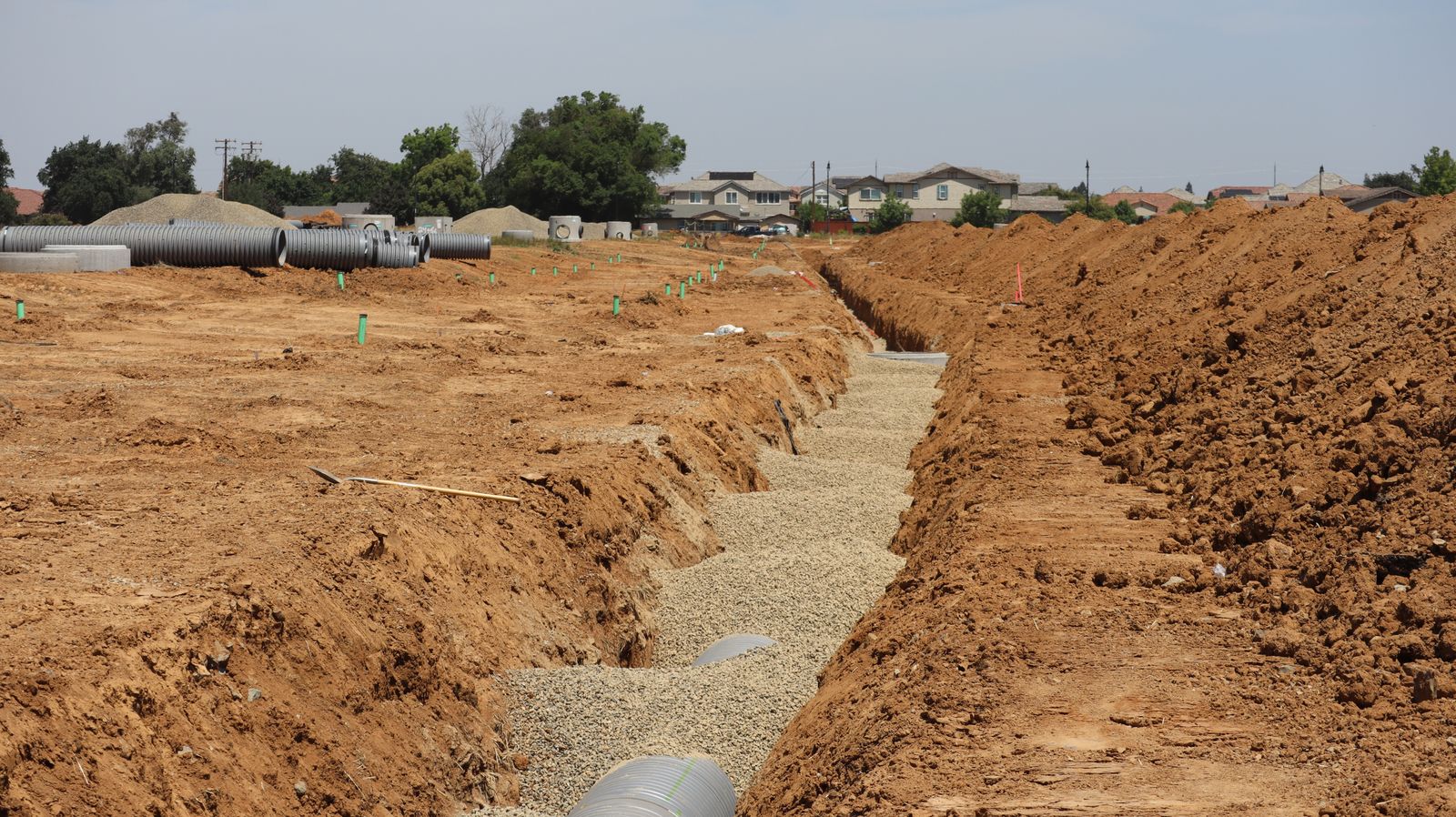
Clay & Orangeburg Sewer Pipe Replacement in Burlingame, CA
Many Burlingame homes still drain through the pipe that was laid when they were built. Clay sewer pipe replacement in Burlingame is worth a conversation when a camera shows cracked joints, roots or sags, and a local pro can walk you through spot repair, lining and full replacement before anything is dug.
Clay sewer pipe replacement in Burlingame comes up most often on houses built in the early decades of the last century, when vitrified clay was the standard material for the lateral, the pipe that runs from the house to the public main. Clay can last a very long time, but it is laid in short sections with many joints, and joints are where age, roots and shifting ground do their work.
Not every old line needs to come out. Some can be repaired in one spot, some can be lined, and some are best replaced. The camera decides, and the sections below explain how that choice is made. If you would rather start with a conversation, one call reaches a local pro who works on Burlingame homes.
Which pipe materials were used in Burlingame homes, by era
What a lateral is made of tends to follow the age of the house, though there are exceptions on every street. As a general guide:
| Material | Typical era (general) | What to know |
|---|---|---|
| Clay | Early 1900s housing and many homes of the following decades | Short sections with many joints, which roots and shifting soil can open. |
| Cast iron | Used for house drains and in some laterals over many decades | Strong, but it can corrode and scale inside as it ages. |
| Orangeburg (bituminized fiber) | Some mid-century construction | A layered fiber pipe that can soften, deform or collapse with age. |
| Plastic (ABS or PVC) | Newer work and many past repairs | Lightweight, with fewer joints than clay. |
A single lateral can mix materials, especially if part of it was replaced years ago. The only reliable way to know what you have is to look, and the camera usually shows it within the first stretch of the run.
How clay sewer pipe fails over time
Clay pipe rarely fails all at once. It wears out in stages, and the stages are visible on video.
- Open joints: the seal between sections loosens, letting soil, water and roots in.
- Root entry: roots follow the moisture through those joints and thicken, which pushes the joints further apart.
- Cracks and breaks: soil movement or heavy loads above the line crack the wall.
- Offsets and sags: sections shift out of line, and low spots hold water and solids.
- Collapse: a broken section can fall in and block the line.
Heavy clay soil and a big stock of mature street trees speed up the first two stages around Burlingame. If roots are the main complaint, the page on tree roots in sewer line problems covers clearing them, and this page picks up where the question becomes the pipe itself.
Orangeburg pipe replacement is a common question for mid-century lots, and cast iron sewer pipe found in some houses can corrode from the inside. Either way, the video should show the pipe before anyone names a fix.
Spot repair, lining or full old sewer pipe replacement
Once the camera has shown the line, the realistic choices are three. They are not ranked by cost or size. They fit different conditions.
- Spot repair: one bad section is cut out and replaced, and the rest stays. It suits a single break or offset on a line that is otherwise sound.
- Lining: a liner is cured inside the old pipe, sealing cracks and joints. It suits a line that is still in place and continuous but leaking at its joints. A lined pipe keeps the shape of the old one, so it does not take out a sag. The page on trenchless sewer repair explains when it fits.
- Full replacement: the whole lateral, or most of it, is replaced. It suits a line that has failed in many places, has collapsed, or has sags that need their slope corrected.
Ask the tech to show on the video why one option fits better than another, and to give the upfront price for each. A recommendation to replace everything should be matched by footage that supports it.
What replacement pipe is used today
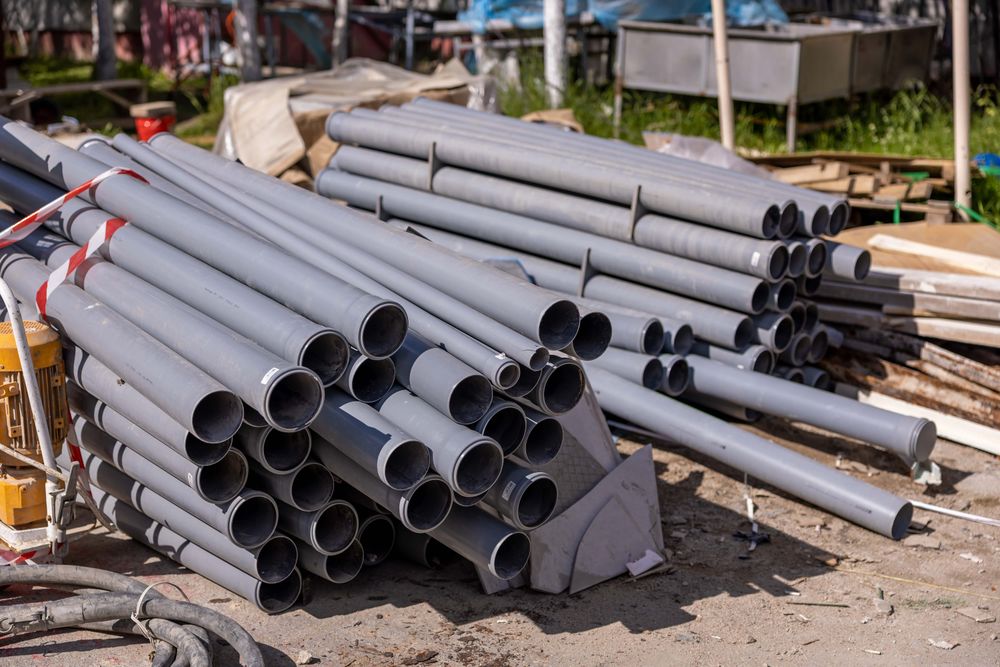
New laterals are usually plastic, commonly PVC or ABS. The pipe comes in long lengths, so there are far fewer joints than in the clay it replaces, and the joints are sealed. The pipe is smooth inside, which helps flow, and it is light enough to handle in a narrow trench.
The details, including the pipe type and how the new line connects at the house and at the main, are set by the job and by local requirements, so ask the tech what is planned and check current city requirements. A new pipe is also the natural moment to add a cleanout if there is none, which is covered on the page about sewer cleanout installation.
Replacing the line on a typical Burlingame lot
A lateral often runs under the very things homeowners want to keep: a driveway, a patio, a hedge, a mature tree. Where the line runs and how deep it sits decide whether the work is a trench, a few pits, or a mix of both. The camera and a surface trace give the tech that picture before anything is marked.
East of the tracks near Howard Avenue and Victoria Park, Lyon Hoag has more modest homes, and calls for sewer line repair in Lyon Hoag often hinge on whether low, soft ground has let a section settle. Ray Park's homes date from around 1950, so sewer line repair in Ray Park may involve a different mix of pipe than the earlier streets to the north, and the video shows which. Toward Hwy 101 the ground is low bay-margin land with soft mud and fill, where a line can sag whatever it is made of.
Ask the tech to mark the proposed route and any pits on the ground before you agree, so you can see which parts of the yard are affected.
Get replacement options by phoneBuying or selling a home with an older sewer line
In Burlingame, lateral testing at the time of sale is a normal part of buying and selling, so an older line often comes up in the middle of a transaction. Check current city requirements, since the specifics can change. A buyer who sees old clay on video can plan for it, and a seller who knows the condition of the line can decide whether to repair before listing.
If you are on the buying side, the page about a sewer scope before buying a house explains what the report shows and how to read it. None of this is legal advice, and your agent or attorney is the right person to ask how a finding affects your contract.
Clay and Orangeburg pipe questions from Burlingame homeowners
The age of the house is a hint, but a camera is the reliable answer. The video shows the pipe wall, the joints and any changes of material along the run. Records from an earlier repair or a sale-time test can help, so keep any you have.
No. Clay that is sealed at its joints and holding its shape can keep working. What matters is condition, not age, so the camera decides whether a line needs a spot repair, lining or replacement.
Often, when the line is still continuous and the damage is cracks or open joints. Lining does not remove a sag, and a collapsed or badly offset section may need to be dug out. The tech should show you on video which case you have.
It depends on the length and depth of the line, the method, what sits above it and what is found once work begins, so a dependable estimate comes after the inspection. Ask the tech for expected timing when you hear your options.
Some digging is likely with any replacement, but how much varies. Trenchless methods use a few small pits, and open trench work opens the line's whole path. Ask the tech to mark the planned openings so you can see what is affected first.
In most places the homeowner is responsible for the lateral up to the connection with the public main, but the exact split varies. Check with your city or sewer provider for where your responsibility ends.
Requirements depend on the property and the work, so check current city requirements. The tech can tell you what is typical for a job like yours and whether paperwork is part of the plan, but do not assume either way.
Ask to see the video that supports the recommendation, what the other options were, the upfront price for each, what will be dug up and how it will be restored, and what the tech expects might change the plan once work begins.
Thinking about clay sewer pipe replacement in Burlingame?
Describe the house and the problem, and a local pro will explain the choices. Our home page covers the wider picture of sewer line repair Burlingame homeowners ask about.